
World
Trump Pauses Migration After D.C. Shooting Sparks Review

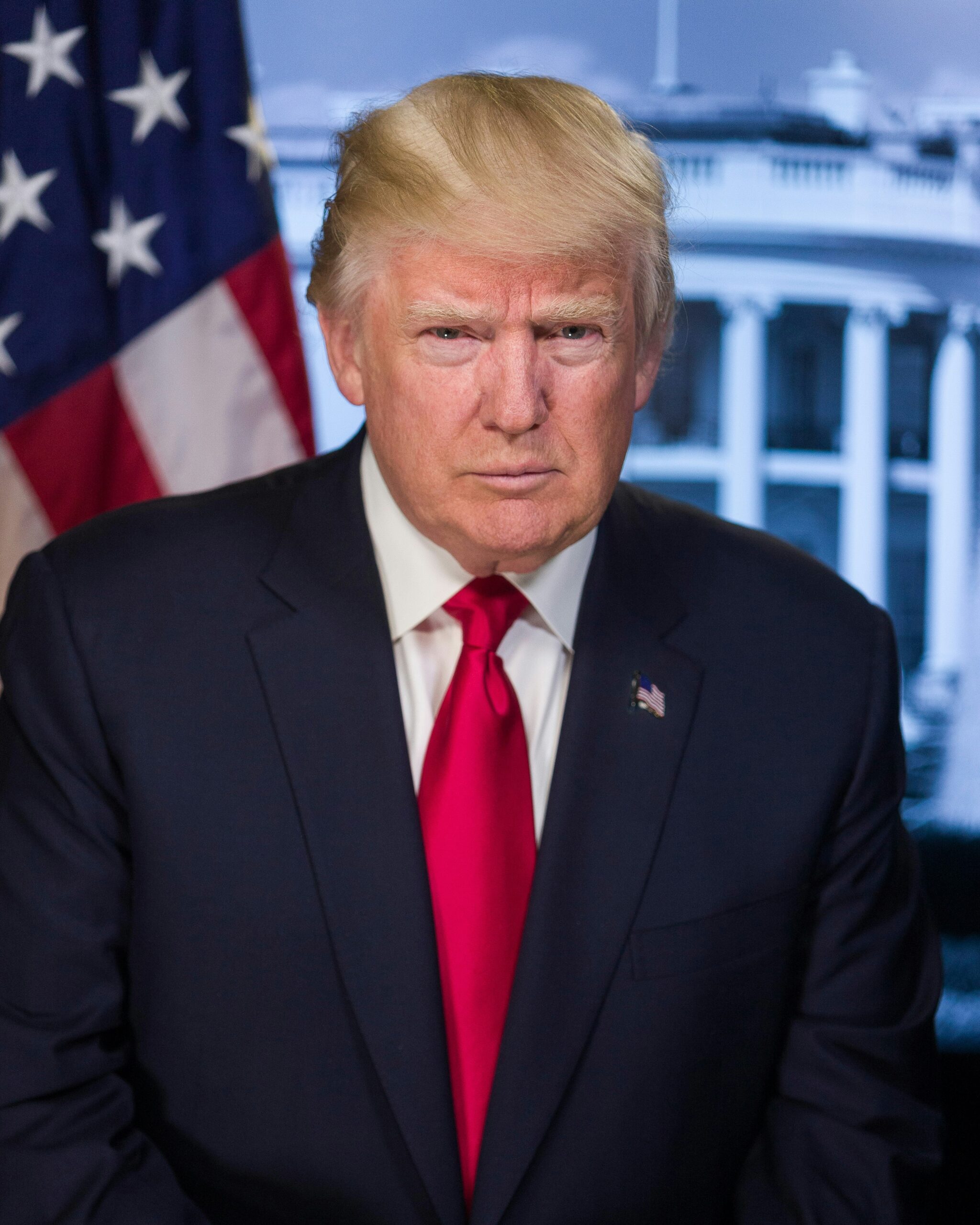
President Donald Trump has announced a “permanent pause” on migration from several regions following a deadly shooting near the White House. The incident, which left one National Guard member dead and another injured, has triggered a nationwide review of U.S. immigration and asylum processes. The policy shift immediately placed the Trump migration pause at the center of national debate.
Federal officials say the suspect in the shooting is an Afghan national who entered the United States during the 2021 evacuation from Afghanistan. Authorities confirmed he was granted asylum earlier this year. The attack has renewed questions about vetting, national security, and immigration screening procedures.
National Guard Member Killed in Washington D.C. Shooting
The shooting took place on November 26, close to the White House security zone. According to statements released by law enforcement, two National Guard members were targeted while on routine patrol.
- Sarah Beckstrom, a Guard member, died at the hospital.
- Andrew Wolfe remains in critical condition.
Officials identified the suspect as Rahmanullah Lakanwal, age 29. Investigators say he acted alone. The motive has not yet been released, and authorities continue to examine his background.
Lakanwal entered the U.S. in September 2021 after the withdrawal from Afghanistan. He received asylum approval in April 2025. Early reports indicate he previously worked with CIA-backed units in Afghanistan, but agencies have not confirmed any direct links to extremist activity.
Trump Announces Permanent Pause on Migration
In a late-night Thanksgiving message, President Trump announced plans to implement what he called a “permanent pause on migration from all third world countries.” The announcement came hours after he was briefed about the attack.
The president said the pause was necessary to protect national security and to allow federal agencies to reassess the immigration system.
The administration also said it will end federal benefits for non-citizens, though it did not list which specific programs would be affected. Officials said more details will be released in the coming week.
The Trump migration pause is expected to apply immediately to new visa applications, asylum requests, and entry permissions from certain regions.
Asylum Cases From Previous Administration Under Review
The Department of Homeland Security (DHS) confirmed that it will review all asylum cases approved under the Biden administration. A DHS spokesperson described the review as a top-priority national security measure.
The review will examine:
- Background checks
- Biometric data
- Interview records
- Travel history
- Intelligence updates since approval
Agency officials said the process may lead to additional interviews or re-verification steps. They emphasized that the review does not imply wrongdoing by applicants but is intended to ensure complete security vetting.
USCIS Orders Re-examination of Green Cards
The director of U.S. Citizenship and Immigration Services (USCIS), Joseph Edlow, also announced a full-scale review of green cards issued to individuals from “countries of concern.”
This re-examination includes:
- Identity verification
- Document audits
- Updated background checks
- Cross-checks with federal security databases
Green card holders may be contacted for follow-up interviews or document updates. The agency did not release the list of countries included in the review.
Processing of Afghan Immigration Requests Suspended
One of the most immediate consequences of the shooting is the indefinite suspension of Afghan immigration requests. DHS confirmed that asylum cases, refugee applications, and family reunification filings by Afghan nationals are paused.
Advocacy organizations expressed concern for Afghans who supported U.S. forces and are now in danger. They urged the government not to abandon vulnerable communities. Federal officials say the pause is temporary and necessary while agencies enhance vetting procedures.
Additional National Guard Troops Deployed to the Capital
President Trump ordered an additional 500 National Guard troops to Washington D.C. The city has had Guard deployment since August under a declared “crime emergency.”
The newly deployed troops will patrol:
- Federal buildings
- Transport hubs
- Security checkpoints
- Key public areas
City officials said coordination between district police and federal agencies has been strengthened following the shooting.
Political Reaction Across the Country
The Trump migration pause has sparked strong reactions.
Supporters argue that the shooting highlights gaps in the asylum system and necessitates stronger vetting.
Opponents, including several civil rights groups, argue that blanket restrictions may unfairly target immigrants who have followed legal procedures. They also raised concerns about potential discrimination and due process challenges.
Multiple lawmakers have called for oversight hearings to ensure policies comply with federal law.
Community Impact and Growing Uncertainty
The new policies have introduced uncertainty for thousands of immigrants across the United States. Many Afghan families fear that the suspension will delay reunification with loved ones.
Green card holders from affected regions expressed concern about re-examination procedures but said they were ready to comply with federal requirements.
Immigration attorneys report a surge in calls from clients seeking clarification on whether their legal status may change.
What Happens Next?
Federal agencies say the policy changes will roll out in stages over the next few weeks. DHS and USCIS are expected to publish updated procedures, timelines, and security protocols.
Congressional leaders have signaled they may introduce legislation addressing immigration vetting and national security coordination.
As investigators continue to piece together the sequence of events in the D.C. shooting, the administration’s decisions have positioned immigration as a central national issue once again.
For now, the country watches closely as the Trump migration pause and related policy shifts reshape the national debate.