World
Significant Progress Reported in Geneva as U.S. and Ukraine Hash Out Controversial “Peace Framework”

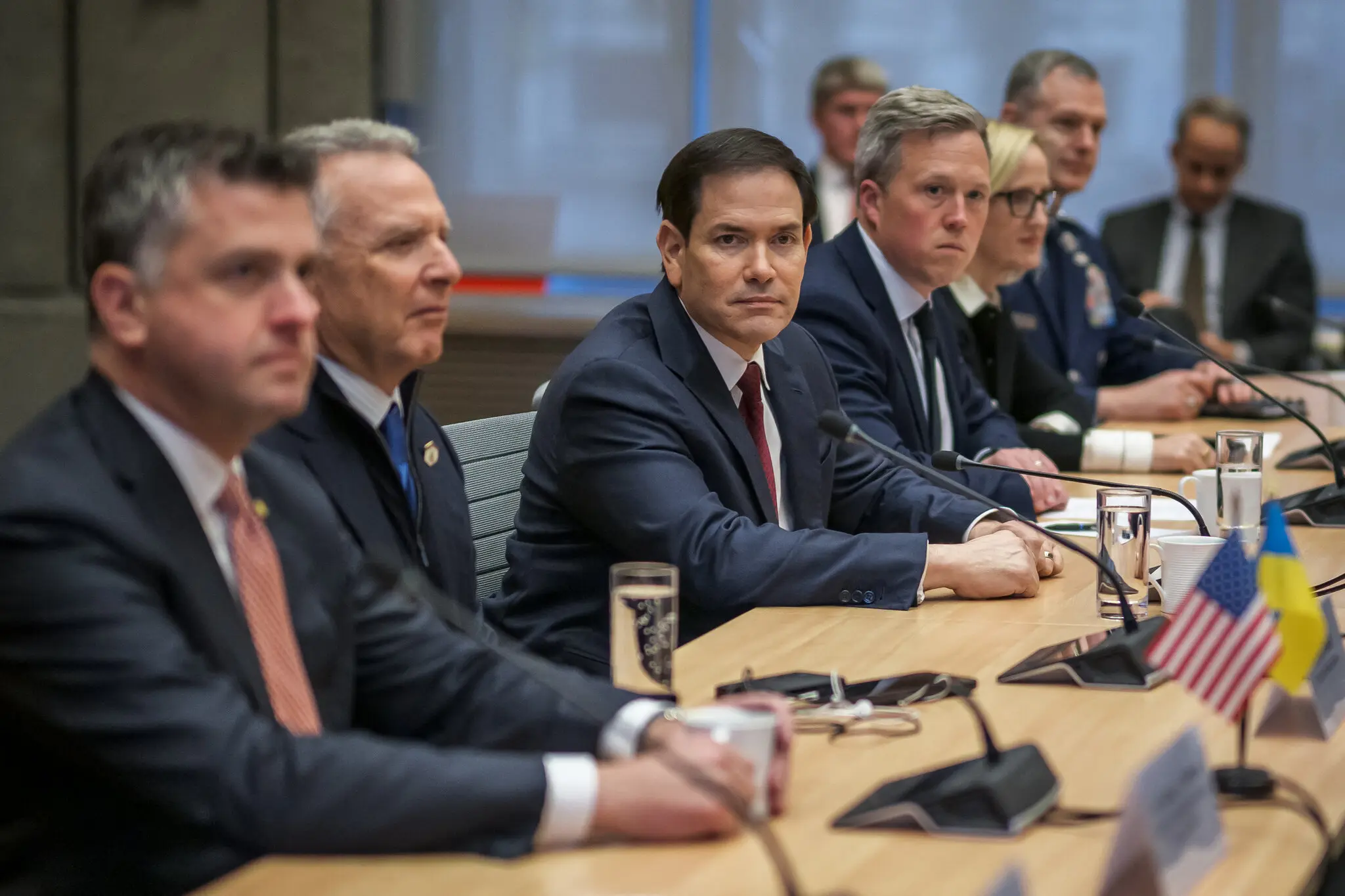
GENEVA, SWITZERLAND — A decisive push to end the nearly four-year-long Russia-Ukraine war unfolded in Geneva on Sunday, November 23, 2025, as top officials from Washington and Kyiv wrapped up what both sides described as their most consequential diplomatic engagement to date. The high-level meetings, held at the U.S. Permanent Mission in Geneva, produced an “updated and refined” peace framework, raising cautious optimism but also igniting fierce political backlash over its contested proposals.
The talks were spearheaded by U.S. Secretary of State Marco Rubio and Ukrainian Presidential Chief of Staff Andrii Yermak. Senior American officials including U.S. Army Secretary Dan Driscoll and Trump administration envoy Steve Witkoff were part of the delegation, while Ukraine was represented by national defense and security leaders such as Rustem Umerov, Secretary of Ukraine’s Defense Council. Despite the spirit of collaboration, the negotiations were shrouded in secrecy, with both sides issuing a controlled joint statement afterward.
The communiqué praised the discussions as “productive and meaningful,” declaring that Washington and Kyiv had made “important progress in aligning positions” and identifying clear steps toward a “just, lasting and legitimate peace.” Yet, behind this diplomatic language lies a deeply divisive 28-point peace proposal that has sparked outrage across European capitals, split U.S. political circles, and placed Ukrainian President Volodymyr Zelensky in a dangerously narrow corridor of choices.
A Diplomatic Summit With High Stakes
The Geneva summit is widely seen as one of the most significant diplomatic efforts undertaken since the escalation of the conflict in 2021. With the battlefield grinding into a brutal stalemate, both countries are seeking a negotiated settlement that could stabilize the region. The U.S., under President Donald Trump, is pushing hard for rapid progress and has tied future military assistance to Ukraine’s acceptance of the proposed framework.
For Ukraine, battered by years of war, economic strain, widespread displacement, and chronic infrastructure damage, the talks represent both an opportunity and a risk. The updated framework offers a potential path to halt the bloodshed, but its controversial provisions have stirred fears of a premature deal that may compromise Ukrainian sovereignty.
American officials emphasized that the Geneva meetings were not merely symbolic. According to insiders, negotiators worked through Saturday night and deep into Sunday morning, going point-by-point through the revised peace plan. The goal: secure political alignment ahead of a deadline reportedly set by President Trump for November 27.
A Controversial 28-Point Plan: Peace or Pressure?
At the center of the Geneva talks lies a 28-point proposal heavily advocated by President Trump. Although the full document remains confidential, leaks and insider briefings have revealed several contentious requirements that have alarmed Ukrainian leaders and deeply unsettled European allies.
Key Provisions in the Proposed Deal
1. Territorial Concessions
The plan would reportedly require Ukraine to formally recognize Russia’s control over Crimea and the occupied areas of Donbas. This would freeze the current lines of control and effectively accept territorial losses.
2. Military Downsizing
Ukraine would undergo a “significant and immediate” reduction in its armed forces. Supporters argue this would ease tensions; critics warn it would leave Ukraine militarily vulnerable.
3. NATO Neutrality Clause
Ukraine would commit, permanently, to never entering the NATO alliance. This aligns closely with Russia’s long-standing demands and is seen as one of Kyiv’s biggest potential compromises.
4. Cultural and Linguistic Concessions
Ukraine would formalize recognition of the Russian language and the Russian Orthodox Church—a provision many Ukrainians view as political interference in cultural identity.
The combination of these terms prompted several U.S. senators to criticize the plan as a “Russian checklist,” raising concerns about alleged Russian involvement in shaping the document. Reports have linked aspects of the plan to Kirill Dmitriev, head of Russia’s sovereign wealth fund and a known Kremlin insider.
Secretary of State Marco Rubio publicly rejected these claims, insisting that the plan was “authored by the U.S.” while acknowledging that, as with any peace proposal, “input from both warring parties is included.” His defense did little to quiet the controversy.
Public Tensions Between Washington and Kyiv
Despite attempts to maintain diplomatic unity, tensions between Washington and Kyiv spilled into public view over the weekend. As the summit began, President Trump criticized Ukraine for showing “zero gratitude” for American military and financial support. His comments were widely interpreted as pressure on Kyiv to accept the proposed terms without further delay.
Behind the scenes, Ukrainian officials described the pressure as “intense” and “unrelenting,” with Trump reportedly warning that U.S. military assistance—vital to Ukraine’s defense—could be withheld if Kyiv does not approve the framework by the November 27 deadline.
This dynamic places President Zelensky in a politically hazardous position. Accepting the plan could be perceived domestically as capitulating to Russian demands. Rejecting it, however, risks alienating the United States, Ukraine’s most important military backer.
In a statement on Sunday evening, Zelensky attempted to strike a diplomatic balance, stating there is now an “understanding” that American proposals “can be adjusted” to better protect Ukrainian national interests. It remains unclear how much room for revision exists or whether Washington is willing to soften the most contentious points.
The Shadow of Russia Over Geneva
Notably absent from the Geneva table were Russian representatives. Still, Moscow loomed large over every aspect of the talks. U.S. officials confirmed that Russia has received a copy of the proposal and is reviewing the framework. Any deal would ultimately require approval from President Vladimir Putin, whose position on the concessions remains unknown.
Russian involvement is viewed as a double-edged sword: necessary for peace, but deeply mistrusted by both Ukraine and several NATO members. Critics warn that a deal too favorable to Moscow could embolden future aggression, undermine international norms, and reward territorial annexation.
Others argue that excluding Russia entirely from the negotiation stage risks creating a plan that is unrealistic or unenforceable without Russian buy-in.
What Comes Next?
As delegations return to Washington and Kyiv to brief their respective presidents, uncertainty hangs over the diplomatic landscape. The coming days are expected to be pivotal, with political calculations, international pressure, and domestic opinion shaping the next steps.
Possible Outcomes
1. Conditional Acceptance
Ukraine may tentatively accept the framework while pushing for revisions, especially on territorial and military clauses.
2. Full Rejection
Kyiv could reject the plan outright, risking a major rift with Washington and an immediate halt in military aid.
3. Renegotiation Window
A short renegotiation period may emerge if both sides agree that the current plan is too volatile to sell to their domestic audiences.
4. Escalation Risks
If talks break down, both the battlefield and diplomatic tensions could escalate sharply, especially if U.S. support is reduced.
For now, the world watches closely. The Geneva summit may mark a turning point—either toward a negotiated end to the conflict or toward a deeper political crisis that could reshape alliances and global security.
Whether this “updated framework” moves the war closer to peace or simply reshuffles old pressures under new language will become clear in the days ahead.