Cutting TV Time May Lower Depression Risk by Nearly 40%, Study Finds
A new study finds replacing TV time with exercise or sleep may lower depression risk by up to 43%, especially in middle-aged adults.
 editor
Feb. 13, 2026: Reducing daily television viewing and replacing that time with physical activity, sleep or other productive habits may significantly lower the risk of developing depression, according to a new study published in European Psychiatry.
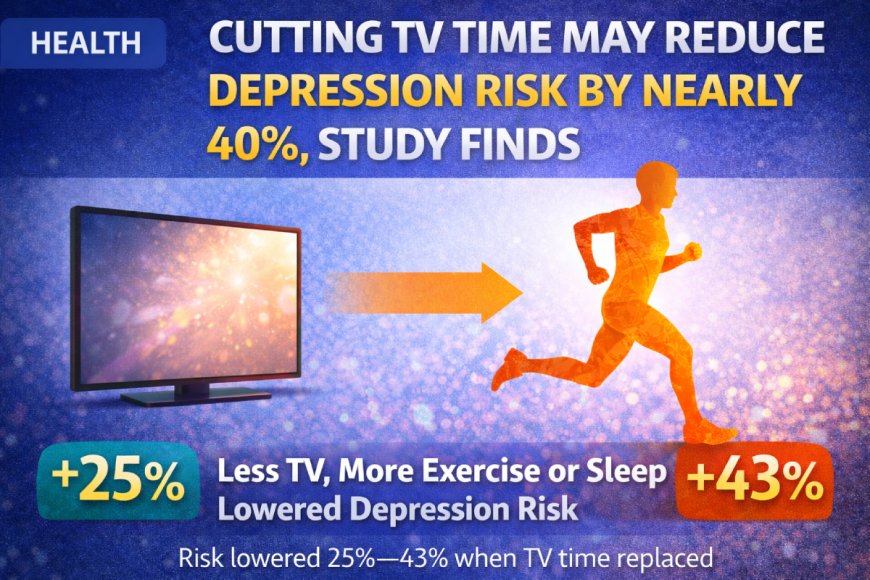
Researchers found that cutting back on TV time by up to two hours per day and reallocating it to healthier activities could reduce the risk of major depressive disorder by nearly 40% — with the strongest benefits observed in middle-aged adults.
Depression Remains a Global Concern
Depression is a serious mental health condition that affects how people think, feel and function in daily life. According to the World Health Organization (WHO), approximately 4% of the global population lives with depression — an estimated 332 million people worldwide.
The condition affects 5.7% of adults overall, with slightly higher rates among women. While depression is highly treatable, prevention strategies remain an important area of research.
What the Study Examined
The research team followed more than 65,000 adults who did not have depression at the beginning of the study. Participants were tracked for four years, during which they reported how much time they spent on various activities, including:
-
Watching television
-
Exercising and playing sports
-
Active commuting
-
Household chores
-
Physical activity at work or school
-
Sleeping
Unlike earlier research that mainly linked sedentary behavior to depression, this study focused on what happens when screen time is actively replaced with specific activities.
Lead author Rosa Palazuelos-Gonzalez of the University of Groningen explained that the goal was to understand how reallocating time could influence mental health outcomes.
Key Findings
The results suggest a clear link between reduced TV viewing and lower depression risk.
Researchers found that:
-
Replacing 60 minutes of TV time daily reduced depression risk by 11%
-
Replacing 90 minutes lowered risk by approximately 25.9%
-
Replacing 120 minutes (two hours) reduced risk by up to 43%
The strongest impact was observed in middle-aged adults.
In this age group:
-
Replacing one hour of TV time reduced depression risk by nearly 18.8%
-
Replacing 90 minutes lowered risk by 29%
-
Replacing two hours resulted in a 43% drop
Interestingly, younger and older adults did not show similarly significant reductions.
Which Activities Worked Best?
The type of activity used to replace TV time mattered.
Among all alternatives, sports showed the greatest benefit. Replacing just 30 minutes of TV time with sports reduced depression risk by 18%.
Other activities also provided measurable benefits:
-
Physical activity at work or school reduced risk by 10.21%
-
Active commuting or leisure activities lowered risk by 8%
-
Sleep replacement reduced risk by 9%
One exception stood out: household chores did not significantly reduce depression risk.
Researchers suggest that structured physical movement, particularly sports, may offer additional psychological benefits such as social engagement, goal-setting and improved self-esteem.
Why Screen Time May Influence Mental Health
Extended television viewing is often associated with sedentary behavior, reduced social interaction and irregular sleep patterns — all factors that may contribute to poor mental health.
Spending long hours in passive activities may also limit opportunities for exercise, social bonding or stress-relieving hobbies.
Replacing screen time with movement or restorative sleep may help regulate mood-related brain chemicals, improve sleep quality and enhance overall well-being.
Treatment Options for Depression
While lifestyle changes can help reduce risk, depression remains a medical condition that often requires professional treatment.
Common treatment options include:
Medication
Antidepressants work by balancing neurotransmitters such as serotonin and norepinephrine. They are typically prescribed for moderate to severe depression and may take 4–6 weeks to show full effects.
Psychotherapy
Therapies such as cognitive behavioral therapy (CBT) and interpersonal therapy (IPT) help individuals identify negative thought patterns and develop healthier coping strategies.
Electroconvulsive Therapy (ECT)
ECT is used for severe or treatment-resistant depression. It involves controlled electrical stimulation under medical supervision and has shown high effectiveness in certain cases.
Lifestyle and Self-Help Strategies
Regular exercise, mindfulness meditation, journaling and building social support systems can help improve mood and reduce symptoms. Even simple habits such as a 10-minute daily walk may provide measurable mental health benefits.
A Preventive Perspective
The study highlights the importance of how time is spent in daily life. While television can be a source of entertainment and relaxation, excessive viewing may carry hidden mental health risks.
Small, consistent changes — such as replacing an hour of screen time with physical activity or sleep — may contribute to long-term emotional resilience.
However, experts caution that lifestyle adjustments should complement, not replace, professional care when depression symptoms are present.
Disclaimer
This article provides general health information and is not a substitute for professional medical advice. Always consult a qualified healthcare provider for diagnosis or treatment of medical conditions.