BMC Presents ₹80,952 Crore Budget for 2026-27 Focusing on Infrastructure and Services
Brihanmumbai Municipal Corporation unveils ₹80,952 crore budget for 2026-27, emphasizing infrastructure, health, and urban services in Mumbai.
 Headlines Monitor Staff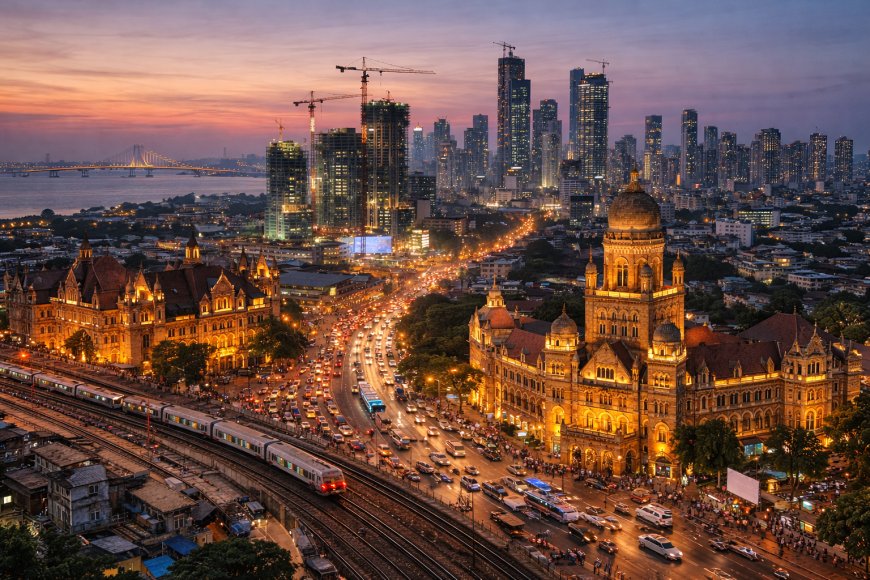
The Brihanmumbai Municipal Corporation (BMC) unveiled its budget for the financial year 2026-27 on February 25, allocating a total outlay of ₹80,952.56 crore. This comes as the civic body addresses ongoing urban challenges in India's financial capital, including infrastructure upgrades, public services, and civic amenities.
Background
Mumbai, home to over 20 million people, faces persistent issues such as traffic congestion, flooding during monsoons, housing shortages, and the need for improved public transport and healthcare facilities. The BMC, one of Asia's largest municipal bodies, manages vast responsibilities covering water supply, sanitation, roads, education, and health services.
Previous budgets have prioritized slum redevelopment, coastal road projects, and metro expansions to support economic growth. The 2026-27 budget arrives amid national economic trends, including recovery in IT sectors and policy pushes for urban development, while local demands focus on sustainable growth and resident welfare in densely populated areas.
What Happened
The BMC administration presented the budget on February 25, 2026, with a total estimated expenditure of ₹80,952.56 crore. Reports indicated allocations across key sectors, including significant funds for infrastructure development, water supply enhancements, solid waste management, and public health initiatives.
Civic officials outlined plans for continued investment in major projects like road widening, bridge constructions, and environmental measures. The budget also covers education, with provisions for school improvements and skill development programs, alongside healthcare expansions in municipal hospitals.
The presentation included details on revenue projections from property taxes, fees, and grants, aiming to balance fiscal responsibilities with service delivery in the metropolis.
Why It Matters
This budget holds relevance for Mumbai's residents and economy, as the city contributes substantially to India's GDP through finance, entertainment, and trade. Effective allocation could improve daily life by reducing infrastructure bottlenecks, enhancing flood resilience, and boosting public transport efficiency.
For businesses and investors, sustained civic spending supports economic activity in commercial hubs. Improved services may attract further investments and talent, while addressing environmental concerns aids long-term sustainability in a coastal urban center prone to climate impacts.
The scale of the budget reflects the city's ambition to maintain its status as a global metropolis while tackling population pressures and urban decay.
Official Response
According to local authorities, the budget prioritizes citizen-centric development and infrastructure resilience to meet Mumbai's growing needs. Civic leaders described the allocations as balanced, focusing on essential services while advancing long-term projects.
Officials noted that the outlay aims to enhance quality of life through targeted spending on water, sanitation, and mobility, with measures to ensure fiscal discipline amid rising operational costs.
What Happens Next
The budget now moves to discussions and approvals within the BMC's standing committee and general body. Amendments or adjustments may occur based on deliberations among elected representatives.
Implementation begins in the coming fiscal year, with monitoring of project timelines and fund utilization. Residents and stakeholders anticipate updates on specific schemes, such as slum rehabilitation and green initiatives.
Ongoing national urban policy alignments could influence supplementary grants or collaborations for mega projects in Mumbai, shaping future civic finances.