Jakarta Data Center Boom Accelerates Amid AI Demand and Environmental Challenges
Jakarta data centers expand with Microsoft $1.7B investment; AI demand drives growth amid sinking city and energy concerns.
 Headlines Monitor Staff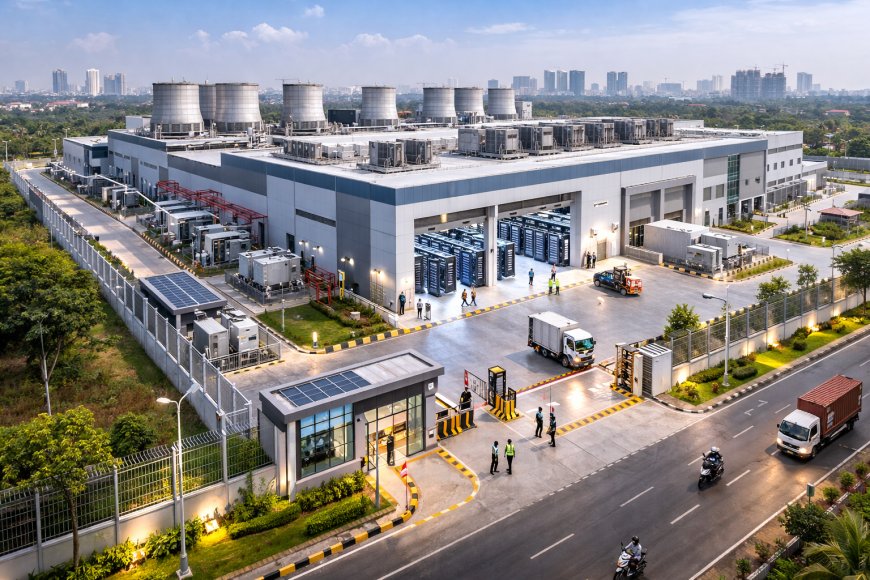
Jakarta, Indonesia — February 26, 2026
Jakarta data centers continue to expand rapidly as global tech firms invest heavily in Southeast Asia's infrastructure to support artificial intelligence and cloud services, though concerns over energy use and urban sinking persist.
Background
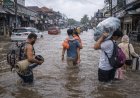
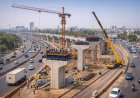
Jakarta serves as Indonesia's primary economic and tech gateway, attracting major investments in digital infrastructure amid rising regional demand for data storage and processing. Facilities operated by companies like Microsoft, Amazon, Google, Alibaba, and Tencent have proliferated in the greater Jakarta area, including nearby Karawang in West Java. This growth aligns with broader AI advancements but occurs against Jakarta's ongoing issues like land subsidence from groundwater extraction, flooding risks, and high energy requirements for cooling and operations.
What Happened
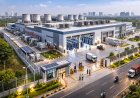
Microsoft's facilities in the Jakarta region form part of a $1.7 billion investment, featuring distributed sites to reduce risks from earthquakes and floods, with potential hyperscale capacity demanding hundreds of megawatts. Rivals have similarly established operations in the metropolitan area, contributing to a regional data center surge. Reports indicated these developments position Jakarta as a key node in Southeast Asia's digital landscape.
Why It Matters
The Jakarta data centers boom supports economic growth through job creation, technology transfer, and enhanced connectivity for businesses and residents. It bolsters Indonesia's role in global digital services but raises sustainability questions, including massive electricity needs that could strain the grid and exacerbate environmental pressures in a sinking, flood-prone capital of over 42 million people.
Official Response
Reports noted efforts to mitigate risks through site diversification, while broader discussions on capital relocation to Nusantara highlight long-term urban planning challenges tied to Jakarta's vulnerabilities.
What Happens Next
Expansion is expected to continue with additional investments and capacity builds. Monitoring of energy demands, environmental impacts, and integration with national grid upgrades will shape future developments, alongside progress on the new capital project.