India Advances Public Health with AI Integration and Nationwide Preventive Campaigns
Public health India advances with AI in TB, diabetes screening and nationwide preventive campaign; aims for better early detection and equity.
 Headlines Monitor Staff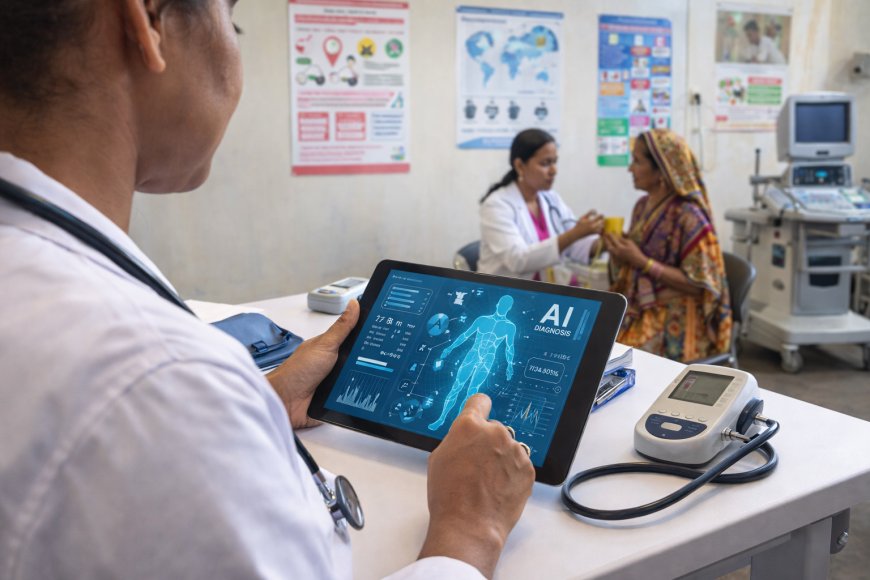
New Delhi, India — February 26, 2026
Public health India initiatives gain momentum through artificial intelligence deployment and large-scale awareness drives, aiming to strengthen disease screening, surveillance, and preventive care across the country.
Background
India's public health system serves a vast population with diverse challenges, including infectious diseases, non-communicable conditions, and specialist shortages in rural areas. Recent efforts focus on leveraging technology like AI to enhance early detection and efficiency in national programs such as tuberculosis elimination, diabetic retinopathy screening, and outbreak monitoring. Complementary campaigns promote lifestyle changes and community involvement to build long-term health resilience, aligning with national goals for universal coverage and healthier populations.
What Happened
The government has restructured public health delivery by integrating AI tools into key programs. AI-enabled screening in the National TB Elimination Programme and National Diabetic Retinopathy Screening Programme has enabled non-specialists to conduct advanced assessments, contributing to a reported 27% decline in adverse TB outcomes and over 4,500 outbreak alerts via the Media Disease Surveillance System. The e-Sanjeevani telemedicine platform has facilitated 282 million consultations with AI-assisted differential diagnosis support. Separately, the President inaugurated a nationwide campaign 'Saving Lives and Building a Healthier Bharat' by PD Hinduja Hospital, focusing on preventive health and community engagement.
Why It Matters
These public health India advancements address critical gaps in specialist access and early intervention, potentially reducing disease burden and healthcare costs for millions. Improved screening and surveillance strengthen response to outbreaks, while preventive campaigns encourage healthier behaviors amid rising non-communicable diseases. Such measures support equitable access in underserved regions and contribute to national health security in a populous country.
Official Response
Reports indicated the AI integration empowers frontline workers and scales proactive care, with platforms like e-Sanjeevani expanding reach. Campaign launches emphasized collective responsibility for building a healthier nation through awareness and action.
What Happens Next
Ongoing rollout of AI tools will include monitoring outcomes in TB, diabetes, and surveillance programs, with potential expansions to additional areas. The preventive campaign is set to continue nationwide, with evaluations on participation and impact expected in coming months to refine strategies.