
How to Start Investing in 2026: Beginner’s Guide to Stocks & ETFs
Learn how to start investing step-by-step. Discover ETFs, S&P 500 strategy, dollar cost averaging, and how to open your first brokerage account.
 Headlines Monitor Staff
If you’ve ever thought, “I have some extra cash… but what should I do with it?” — you’re not alone.
For beginners, investing can feel overwhelming. Terms like ETF, limit order, index fund, and PE ratio can sound like a different language. But once you understand the basics, investing becomes one of the most powerful tools for building long-term wealth.
In this guide, you’ll learn:
-
Why investing is necessary
-
Why stocks are a great starting point
-
What to invest in
-
When to invest
-
How to actually place your first trade
Let’s break it down step by step.
Why You Need to Invest
There are two major reasons everyone should consider investing.
1. Inflation Is Quietly Reducing Your Money’s Value
The Federal Reserve targets roughly 2–3% inflation per year to keep the economy stable. That means prices rise over time — even if your money doesn’t.
For example, everyday items that once cost $8–9 now cost $12 or more. If you leave your cash sitting in a checking account earning almost nothing, it’s losing purchasing power every year.
Historically, the stock market has returned 8–10% annually over the past 80+ years, which helps your money grow faster than inflation.
2. Compound Interest Builds Real Wealth
Let’s say you invest $1,000 and earn 10% annually:
-
Year 1 → $1,100
-
Year 2 → $1,210
-
Year 20 → $6,727
You didn’t add more money — it simply compounded.
Now imagine investing consistently for decades. That’s how wealth is built.
The earlier you start, the more powerful compounding becomes.
Why Focus on Stocks?
You can invest in:
-
Real estate
-
Gold and silver
-
Collectibles
-
Businesses
But stocks offer three key advantages:
✔ Accessibility
You can open an account online in minutes.
✔ Liquidity
Stocks can be bought and sold instantly. Selling a house? That can take months.
✔ Historical Growth
The S&P 500 — which tracks the top 500 U.S. companies — has historically trended upward over long periods.
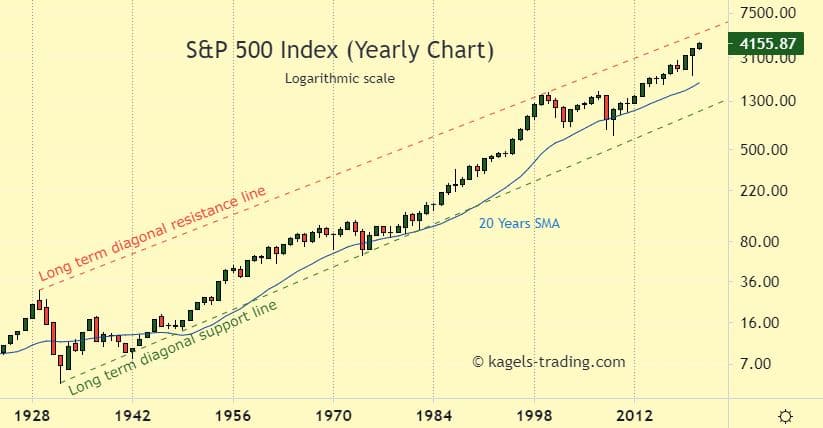

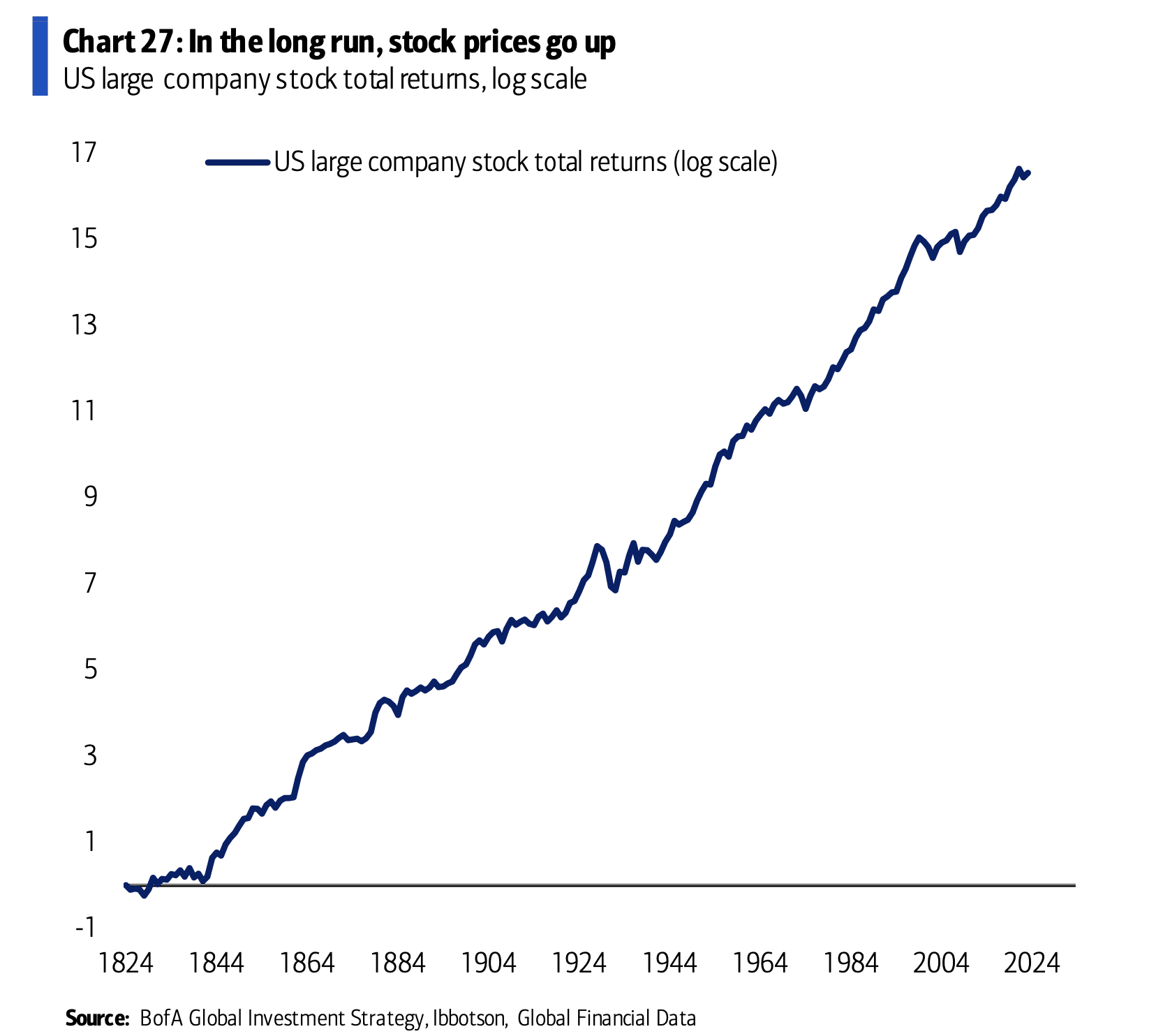
While markets experience dips and crashes, long-term investors have historically been rewarded.
What Should You Invest In?
You have two main options:
Individual Stocks
Examples include:
-
Apple (AAPL)
-
Microsoft (MSFT)
-
Nvidia (NVDA)
-
Tesla (TSLA)
Individual stocks can generate massive returns — but they also carry higher risk.
For example, some companies stagnate for decades, while others explode in value. Predicting which one will win long term is extremely difficult.
Index Funds & ETFs (Best for Beginners)
An index fund tracks a market index like the S&P 500.
A popular ETF that tracks it is:
-
Vanguard S&P 500 ETF (VOO)
When you buy VOO, you’re instantly investing in 500+ major companies at once.
That includes exposure to:
-
Apple
-
Microsoft
-
Meta Platforms
-
Nvidia
Benefits of ETFs:
-
Instant diversification
-
Low fees
-
Lower stress
-
Historically consistent growth
For most beginners, an S&P 500 ETF is the simplest long-term strategy.
When Should You Invest?
The best time to invest?
As soon as you can — and consistently.
Many people hesitate because markets feel “too high.”
Here’s the truth:
-
Markets frequently hit all-time highs.
-
Missing just a handful of the best-performing days can dramatically reduce your long-term returns.
One popular philosophy is “Just Keep Buying” — stay consistent regardless of market conditions.
Time in the market > Timing the market.
Lump Sum vs Dollar Cost Averaging
You have two strategies:
Lump Sum Investing
Invest all your money at once.
Dollar Cost Averaging (DCA)
Invest a fixed amount regularly (e.g., $500 per month).
DCA example:
-
If prices are high → You buy fewer shares.
-
If prices are low → You buy more shares.
Over time, you average out your cost and remove emotion from the process.
For most beginners, automated monthly investing is psychologically easier and highly effective.
How to Start Investing (Step-by-Step)
Step 1: Open an Investment Account
You can open an account at:
-
Fidelity Investments
-
Charles Schwab
-
Robinhood
There are two main types:
-
Retirement Accounts (401k, IRA) — Tax advantages, long-term focus
-
Brokerage Accounts — Flexible access, taxable
Step 2: Fund Your Account
Transfer money from your bank.
Step 3: Buy an ETF (Example)
Inside a platform like Robinhood:
-
Search for VOO
-
Choose “Buy”
-
Select:
-
Market Order (buy immediately at current price), or
-
Limit Order (buy only if price drops to your chosen level)
-
-
Enter shares or dollar amount
-
Confirm
That’s it — you’re officially an investor.
Understanding Risk & Time Horizon
Your strategy depends on:
-
Your age
-
Your risk tolerance
-
Your retirement timeline
If you’re young (20s–30s):
-
You can afford more volatility.
-
You have decades to recover from downturns.
If you’re near retirement:
-
You may want a more conservative allocation.
Markets don’t go up every year. Some years are negative. Some are flat. But historically, over 20–30 year periods, diversified investors have not seen negative real returns.
How Much Should You Invest?
Consistency matters more than size.
Even:
-
$100 per month
-
$200 per month
-
Or investing bonuses and tax refunds
Over 30–35 years, steady investing can grow into seven figures.
But if your income is unstable, it may be better to invest in yourself first — skills, education, career growth — before investing heavily in the market.
Beginner Investing Blueprint (Simple Version)
If starting today, here’s a straightforward plan:
-
Open a brokerage or retirement account
-
Invest in an S&P 500 ETF (like VOO)
-
Automate monthly contributions
-
Ignore short-term noise
-
Keep learning
That’s it.
Simple. Boring. Effective.
Final Thoughts
Investing isn’t about getting rich overnight. It’s about:
-
Beating inflation
-
Harnessing compound growth
-
Staying consistent
-
Thinking long-term
If you start early and stay disciplined, investing can become one of the most powerful financial decisions of your life.
The most important step?
Start.