San Jose Police Chief Proposes Limits on Flock Camera Usage Amid Privacy Concerns
Police chief recommends shorter data storage and site restrictions on license plate readers—explore what this means for privacy and crime fighting.
 Headlines Monitor Staff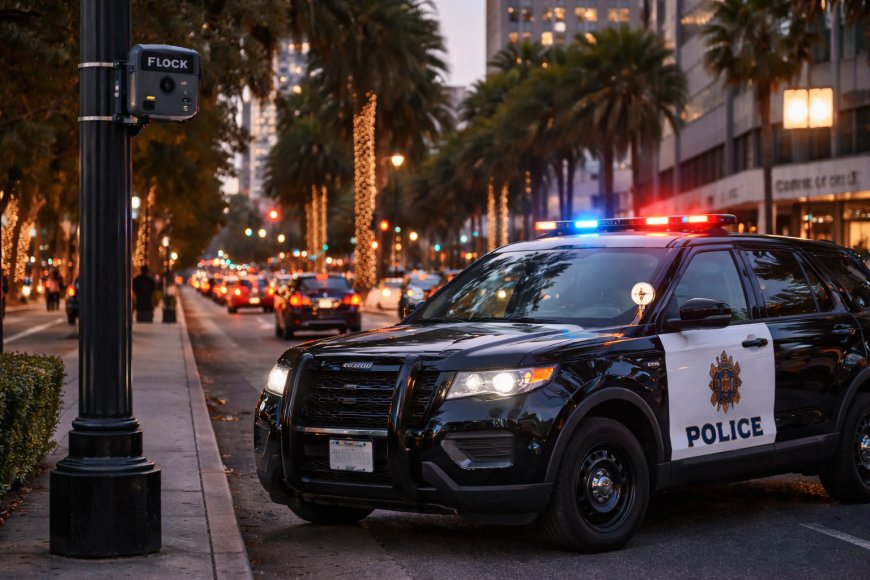
San Jose, California — February 27, 2026
San Jose residents have debated automated license plate readers for years—now the chief wants changes.
Chief Paul Joseph outlined reforms to Flock camera policies, responding to lawsuits and community demands.
Background Flock Safety cameras scan plates automatically, storing data for investigations. San Jose deployed dozens citywide to tackle crime like auto theft and hit-and-runs. Critics argue mass surveillance invades privacy without enough oversight.
What Happened The chief submitted proposals to shorten data retention from one year to 30 days. He also wants bans near sensitive sites like churches, hospitals, and clinics. The changes come after advocacy groups sued over current practices.
City council will review the plan soon.
Why It Matters Shorter retention reduces risks of data misuse while keeping tools for active cases. Residents worry about constant tracking affecting daily commutes and routines. Reforms could rebuild trust in police tech.
Official Response Chief Joseph said the updates balance safety needs with privacy rights. Officials noted recent community feedback drove the recommendations. Police maintain Flock helps solve crimes faster.
Broader Context or Industry Impact Many California cities use similar systems, facing parallel debates. Some tightened rules after legal challenges. Tech firms like Flock push expansion, but regulations evolve case by case.
San Jose's moves could influence nearby departments.
What Happens Next Council members will hold public hearings before voting. If approved, changes roll out quickly. Advocacy groups watch closely—some may push for even stricter limits.
Police plan ongoing audits to ensure compliance.