India Set to Launch Nationwide HPV Vaccination Drive for Girls
PM Modi to kick off nationwide HPV vaccine drive for 14-year-old girls on Feb 28, aiming to prevent cervical cancer in a major public health push across India.
 Headlines Monitor Staff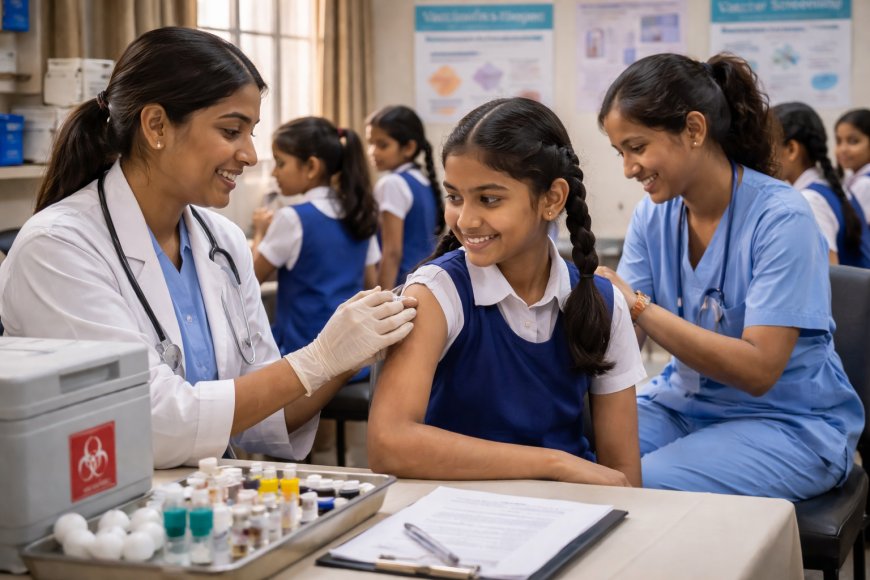
New Delhi, India — February 27, 2026
Cervical cancer claims thousands of Indian women each year. A new government campaign aims to change that by vaccinating lakhs of 14-year-old girls against HPV starting next week.
Background Human papillomavirus causes most cervical cancers. The vaccine prevents infection from high-risk strains when given before exposure. India has one of the highest burdens of cervical cancer globally, with late diagnoses common due to limited screening. Experts have pushed for routine vaccination for years.
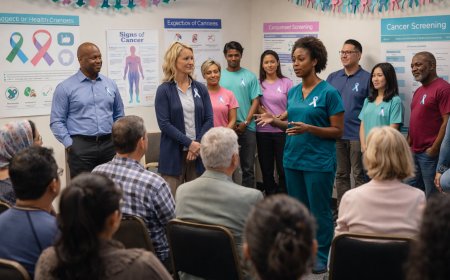
What Happened Prime Minister Narendra Modi will launch the campaign on February 28 from Ajmer. The drive targets 14-year-old girls across the country through schools and health centers. Health ministry teams prepared logistics, training vaccinators and ensuring supply chains.
Why It Matters Vaccination could slash cervical cancer rates over decades, saving lives and reducing treatment costs for families. Many women in rural areas lack access to screening or advanced care. Reaching girls now prevents future cases, easing pressure on overburdened hospitals.
Official Response Government officials confirmed the rollout date and emphasized safety and reach. The vaccine, already used in private settings, meets WHO standards. States received directives to coordinate with schools for high coverage. Health workers will track side effects and report data.
Broader Context or Industry Impact India produces HPV vaccines domestically, keeping costs low. The campaign builds on pilot projects in states like Punjab and Sikkim. Pharmaceutical firms ramped production to meet demand. Public health experts see this as a step toward eliminating cervical cancer as a public health problem.
What Happens Next Teams will monitor uptake and adjust outreach if needed. Follow-up doses and catch-up for older girls may follow. Long-term tracking will measure impact on cancer rates. Success could expand to other age groups or boys, who also benefit from HPV protection against other cancers.
The drive offers hope for thousands of families. Strong participation could mark a turning point in women's health.