Trump Administration Launches Sweeping Health Care Fraud Crackdown
Trump admin halts suspect Medicaid payments and bans certain supplier enrollments in major push to stop Medicare/Medicaid fraud and boost affordability for patients.
 Headlines Monitor Staff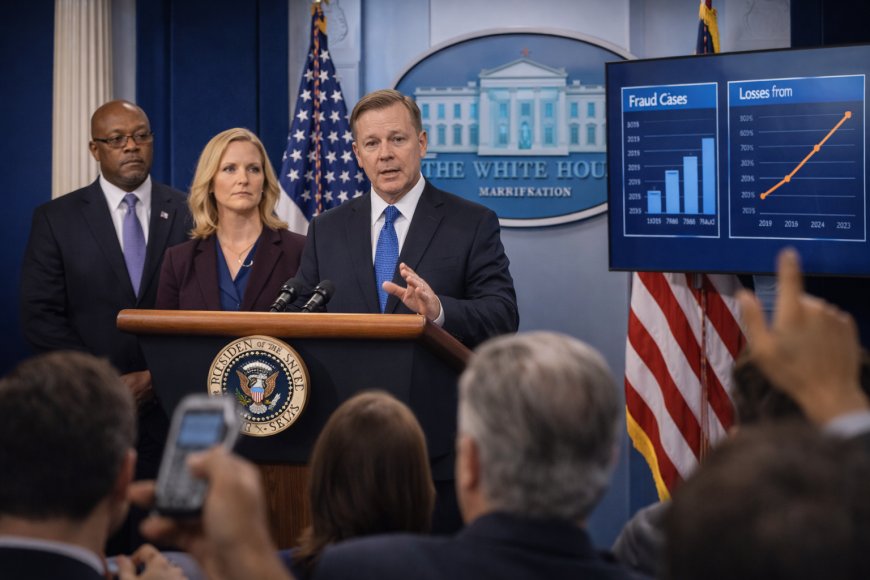
Washington, DC — February 27, 2026
Taxpayers just got a direct hit at protecting billions in health spending. Top officials rolled out aggressive steps to stop fraud in Medicare and Medicaid, including freezing questionable payments and barring suspect suppliers from enrolling.
Background Fraud in federal health programs drains resources meant for patient care. Schemes often involve fake billing for equipment, services never provided, or kickbacks. Medicare and Medicaid together cover tens of millions, making them prime targets. Past efforts recovered funds, but prevention has lagged.
What Happened On February 25, Vice President J.D. Vance joined HHS Secretary Robert F. Kennedy Jr. and CMS Administrator Dr. Mehmet Oz at the White House to detail the plan. Actions include deferring $259.5 million in quarterly Medicaid funding to Minnesota pending review of suspect claims. CMS imposed a nationwide moratorium on new enrollments for certain durable medical equipment suppliers. Officials also launched a public call for input on stronger safeguards.
Why It Matters Every dollar lost to fraud means less for actual care—higher premiums, strained hospitals, and delayed treatments for patients. With costs rising, these measures aim to preserve affordability. Real people feel the pinch when programs waste funds on scams instead of covering doctor visits or prescriptions.
Official Response HHS described the moves as data-driven and coordinated. CMS will expand audits and use advanced analytics to spot patterns early. Minnesota officials must address the flagged claims before full funding resumes. The administration invited stakeholders to suggest improvements, signaling a sustained push.
Broader Context or Industry Impact Fraud cases have hit headlines for years, from fake COVID tests to unnecessary equipment. The crackdown aligns with broader affordability goals under the current administration. Providers worry about added paperwork, but supporters say it weeds out bad actors without harming legitimate care. Equipment suppliers face the biggest immediate change, with enrollment paused until reviews clear.
What Happens Next Investigations in Minnesota and elsewhere will determine if funds release or face permanent cuts. CMS plans more moratoriums if patterns emerge. Public input could shape future rules, potentially tightening enrollment checks or boosting whistleblower protections. Officials promise regular updates as recoveries and prevention efforts grow.
The initiative marks a clear shift toward front-end prevention. For patients and taxpayers, it could mean more secure programs and lower long-term costs.