Senate Grills Trump's Surgeon General Nominee Casey Means on Vaccines
Trump's nominee for US surgeon general, Casey Means, testifies on vaccines and health policy in Senate confirmation hearing, facing questions from both parties.
 Headlines Monitor Staff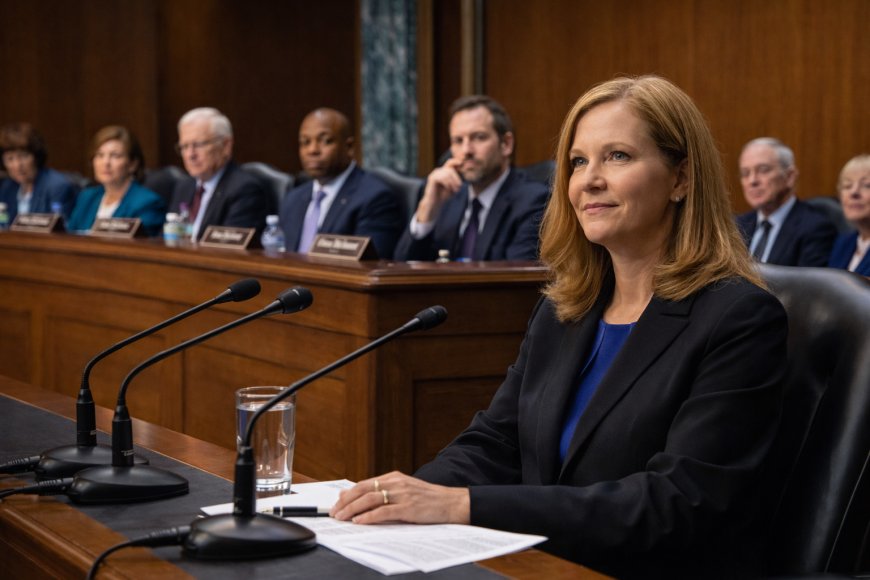
Washington, DC — February 27, 2026
The nation's potential top doctor faced tough questions on vaccines during her Senate hearing. Casey Means, a wellness advocate nominated by President Trump, defended her views before the health committee.
Background The surgeon general leads the U.S. Public Health Service Commissioned Corps and advises on public health. Recent nominees drew scrutiny over vaccine stances amid ongoing measles outbreaks and policy shifts.
What Happened Means testified February 25-26 before the Senate HELP Committee. Senators pressed her on vaccines, autism links, and parental choice. She affirmed support for measles vaccination and others, stressing informed discussions with doctors. She denied promoting anti-vaccine messages.
Why It Matters The surgeon general influences national guidance during outbreaks. With measles cases rising, her position could shape vaccination policy and public trust. Confirmation would give a key platform to the Make America Healthy Again agenda.
Official Response Means pledged to resign business roles if confirmed. Committee members from both parties questioned her record. Republicans appeared supportive; Democrats raised concerns over past statements. A vote to advance her nomination is expected soon.
Broader Context or Industry Impact The hearing follows CDC changes to vaccine schedules and advisory meetings. Public health groups watch closely for impacts on rates. Means' background in wellness contrasts with traditional public health paths, sparking debate on priorities.
What Happens Next The committee will vote on advancing her to the full Senate. Republican majority suggests likely confirmation. If approved, she would oversee messaging on chronic disease, prevention, and emergencies. Her tenure could influence guidance on vaccines, nutrition, and more.
The process tests how new voices fit into established roles. Outcomes will affect health policy for years.