Trump Delivers Record 2026 State of the Union Address
President Donald Trump delivered the longest State of the Union address on record in 2026, focusing on economy, immigration, and Iran warnings ahead of midterms. Key highlights and implications for U.S. politics.
 Headlines Monitor Staff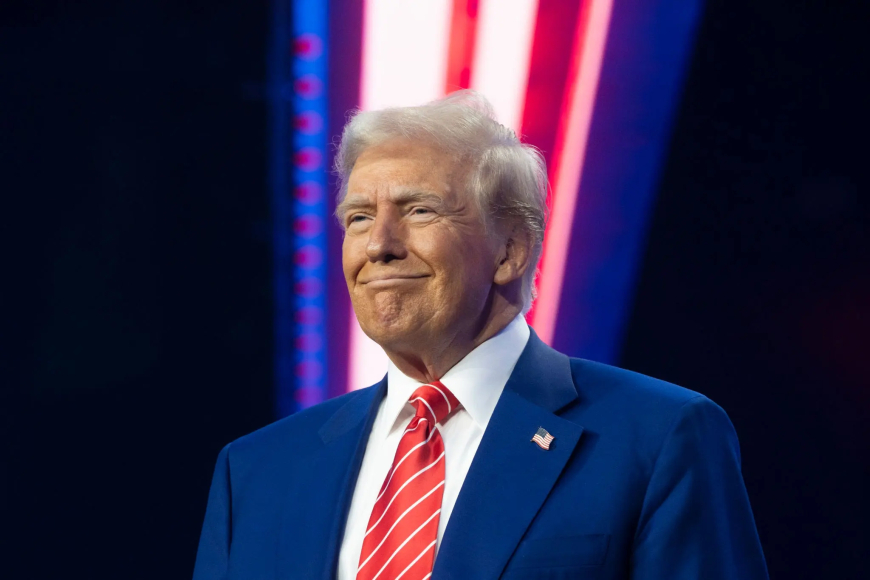
Washington, D.C., United States — February 25, 2026
President Donald Trump delivered his first State of the Union address of his second term on February 24, speaking for approximately one hour and 48 minutes. This duration set a new record for the longest such address in modern history, surpassing previous marks including Bill Clinton's 2000 speech. The Trump 2026 State of the Union focused heavily on economic achievements, immigration enforcement, and foreign policy challenges.
The address took place before a joint session of Congress at the U.S. Capitol. Trump spoke from the House chamber podium, with Supreme Court justices, cabinet members, and invited guests in attendance. Republicans frequently stood to applaud, while many Democrats remained seated.
Background
The State of the Union address is a constitutional requirement under Article II, Section 3, where the president informs Congress about the condition of the country and recommends measures. This was Trump's initial formal State of the Union in his second nonconsecutive term, following his inauguration in January 2025.The speech arrived amid preparations for the 2026 midterm elections, where control of Congress is at stake. Economic concerns, border security, and international tensions have dominated public discourse leading into the address.Trump's administration has pursued aggressive policies on trade, immigration, and deregulation during its first year. Recent developments include court rulings on tariffs and ongoing enforcement actions at the border.
What Happened
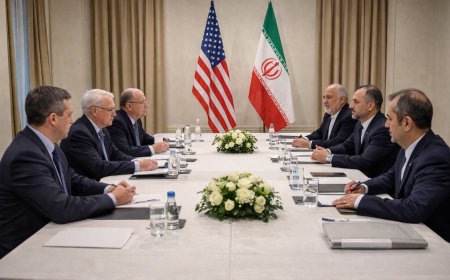
Trump began by declaring the nation had achieved a significant turnaround, describing it as entering a period of renewal. He emphasized improvements in employment, energy production, and stock market performance.On immigration, the president highlighted strengthened border measures and reduced unauthorized crossings. He referenced specific cases involving crime attributed to undocumented individuals and praised enforcement efforts.Foreign policy sections included warnings directed at Iran regarding its nuclear ambitions. Trump stated the United States would not permit Iran to develop nuclear weapons and referenced prior military actions against related facilities.The address featured ceremonial elements, such as recognition of U.S. Olympic athletes and military personnel. Trump awarded distinctions including the Presidential Medal of Freedom during the proceedings.He directed criticism toward Democratic lawmakers on various issues, including fiscal and security policies. The speech extended well beyond typical lengths, incorporating extended remarks on domestic priorities.
Why It Matters
The Trump 2026 State of the Union provides the president an opportunity to outline his administration's accomplishments and priorities to a national audience. With midterms approaching, the address serves as a platform to influence voter perceptions on key issues like the economy and national security.Lengthy delivery and partisan tone underscore ongoing divisions in Congress and among the public. Economic messaging aims to counter concerns about affordability, while foreign policy statements signal continued hardline approaches abroad.The record duration draws attention to the evolving format of presidential communications to Congress. It reflects efforts to convey detailed policy defenses in a single setting ahead of legislative and electoral battles.
Official
ResponseWhite House officials described the address as a comprehensive overview of progress achieved in the administration's first year. Spokespeople emphasized themes of economic strength and border security as central to national recovery.Republican congressional leaders praised the speech for highlighting policy successes and calling for continued support of the agenda. They noted bipartisan applause during certain segments, such as military and athletic tributes.Democratic representatives offered limited immediate commentary, with some characterizing the address as partisan. Party leadership indicated plans for responses focusing on alternative views of economic conditions and governance priorities.
What Happens Next
Congress will consider any legislative proposals referenced in the address, potentially including measures on infrastructure, energy, or immigration reform. Committees may hold hearings to examine related policies in detail.The administration is expected to advance enforcement and diplomatic initiatives outlined during the speech. International partners and adversaries will monitor U.S. positions, particularly regarding Iran and trade matters.Public and media analysis will continue in the coming days, with polls assessing shifts in approval ratings or issue priorities. Midterm campaign strategies from both parties will likely incorporate elements from the address.In the Trump 2026 State of the Union, the president presented a detailed case for his leadership approach amid a politically charged environment.